
Our Classes
Our classes are named after the habitats and homes associated to our animal values. Using animal homes represents the nurturing and natural environment SAVS provides, it celebrates our focus on the outdoors and identifies SAVS as a ‘safe place’ for its inhabitants.
We are a single-form entry primary school, with an intake of 30 pupils per year into Reception, and class sizes of no more than 32 in KS2. Currently, our avergae class size is approximately 20 pupils across 7 classes, fluctuating from time-to-time as birth rates in the area rise and fall.
We are proud to operate appropriately mixed-year classes, click here to find out why.
-
![]()
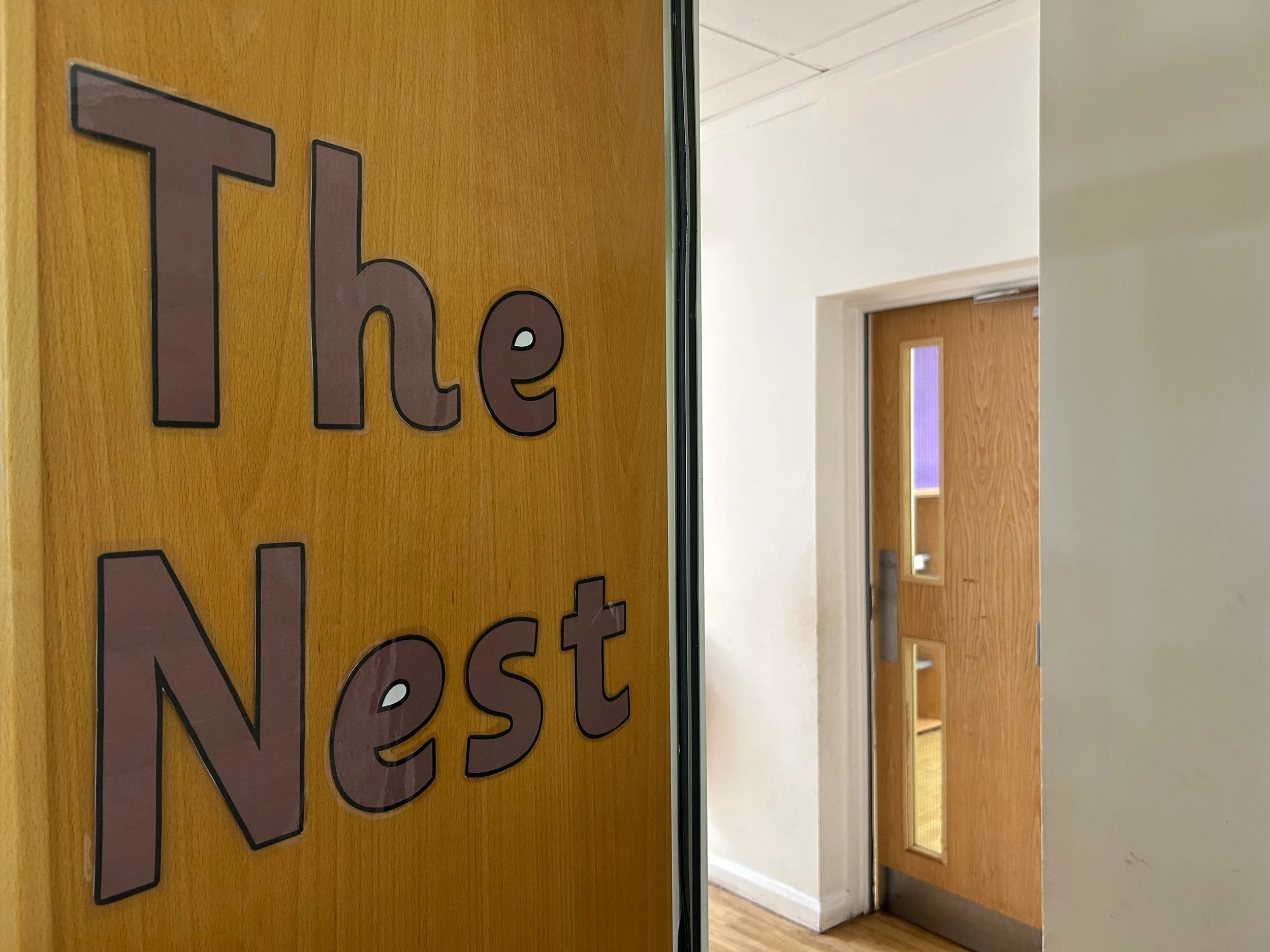
The Nest
RECEPTION YEAR
Teachers: Mrs. L Kelly, Mrs. S Parsonage -
![]()
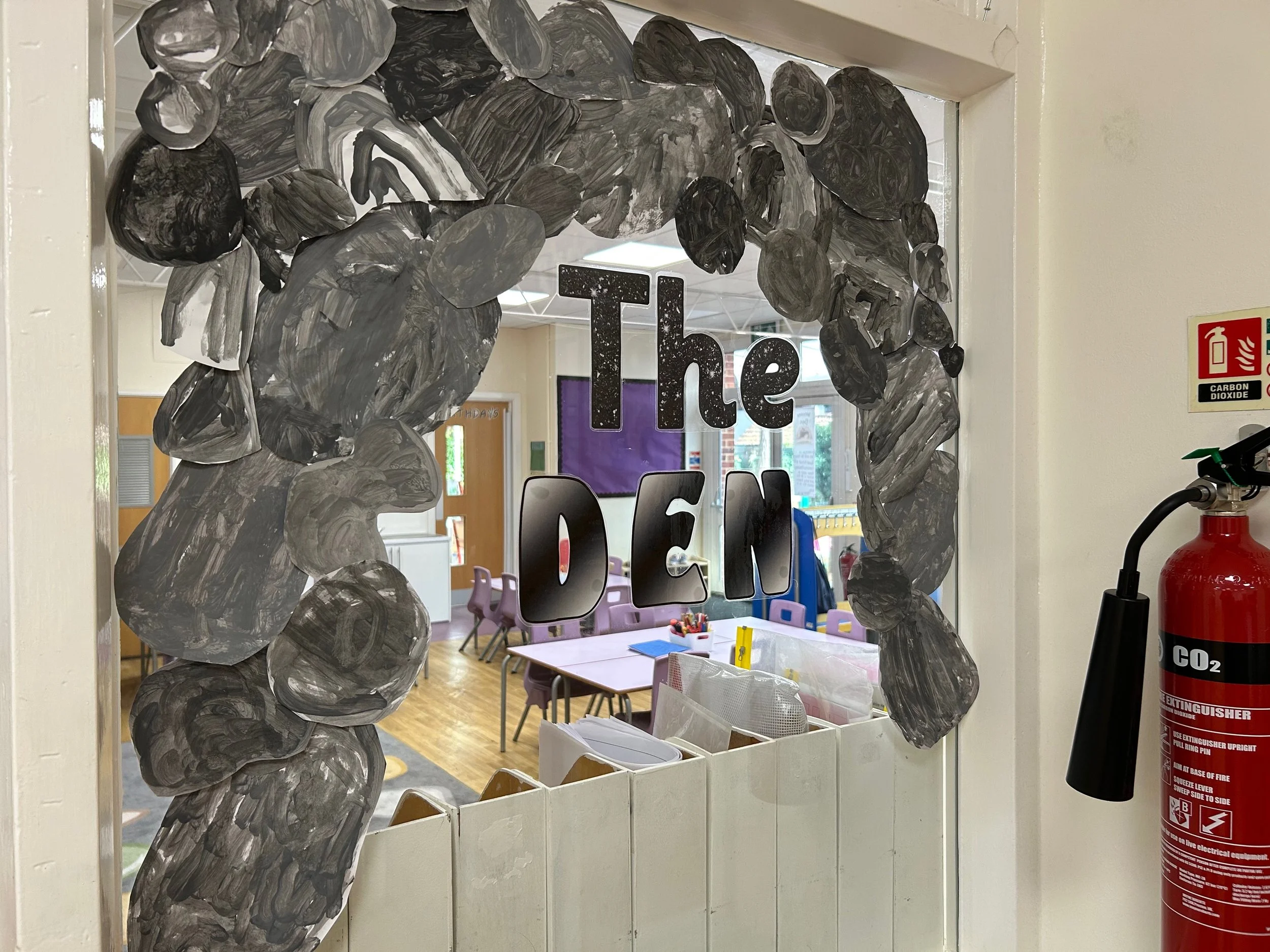
The Den
YEAR 1 & 2
Teacher: Mrs. J Grumbt -
![]()
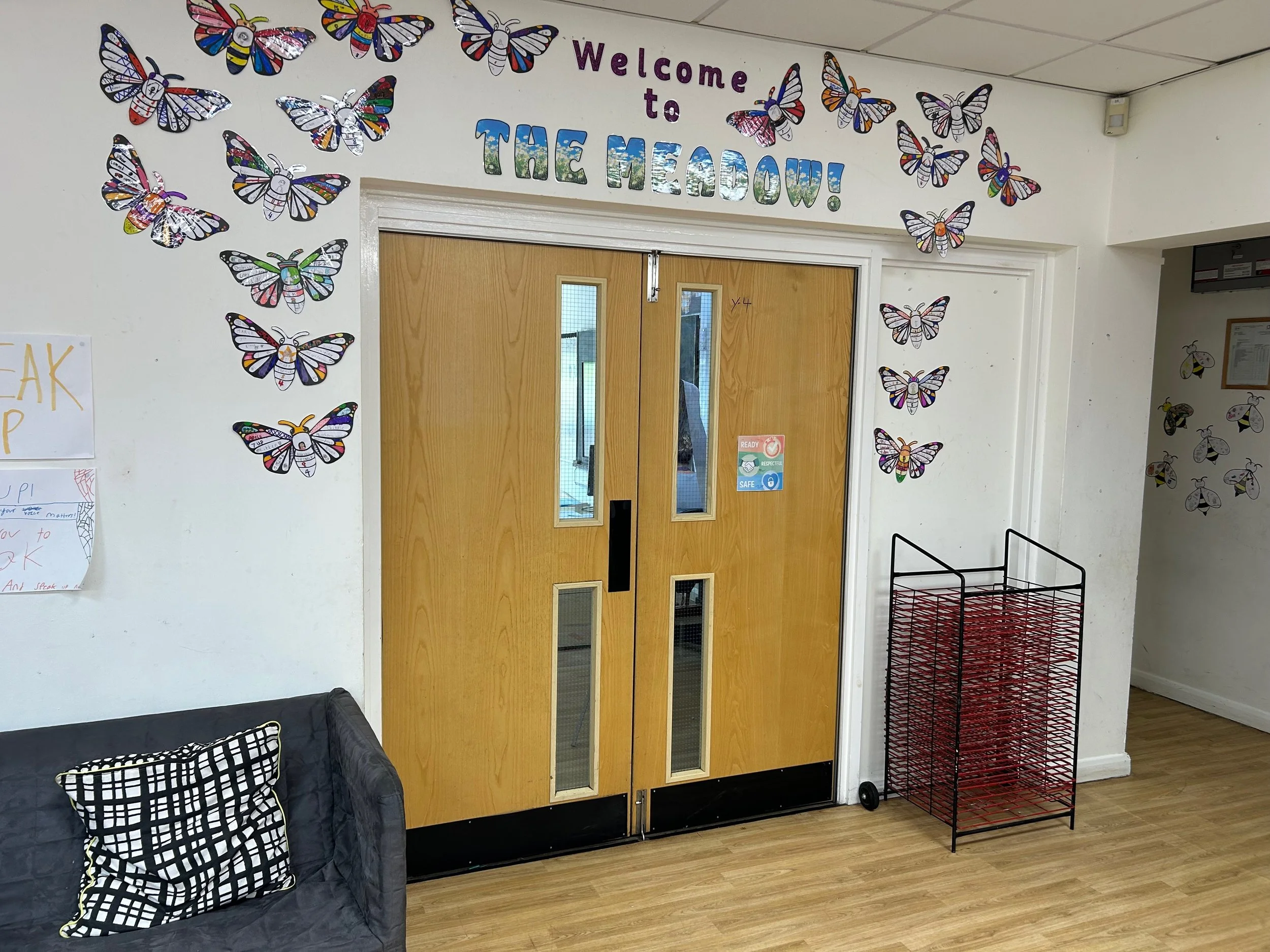
The Meadow
YEAR 3 & 4
Teachers: Miss. N Webb & Mrs. S Parsonage -
![]()
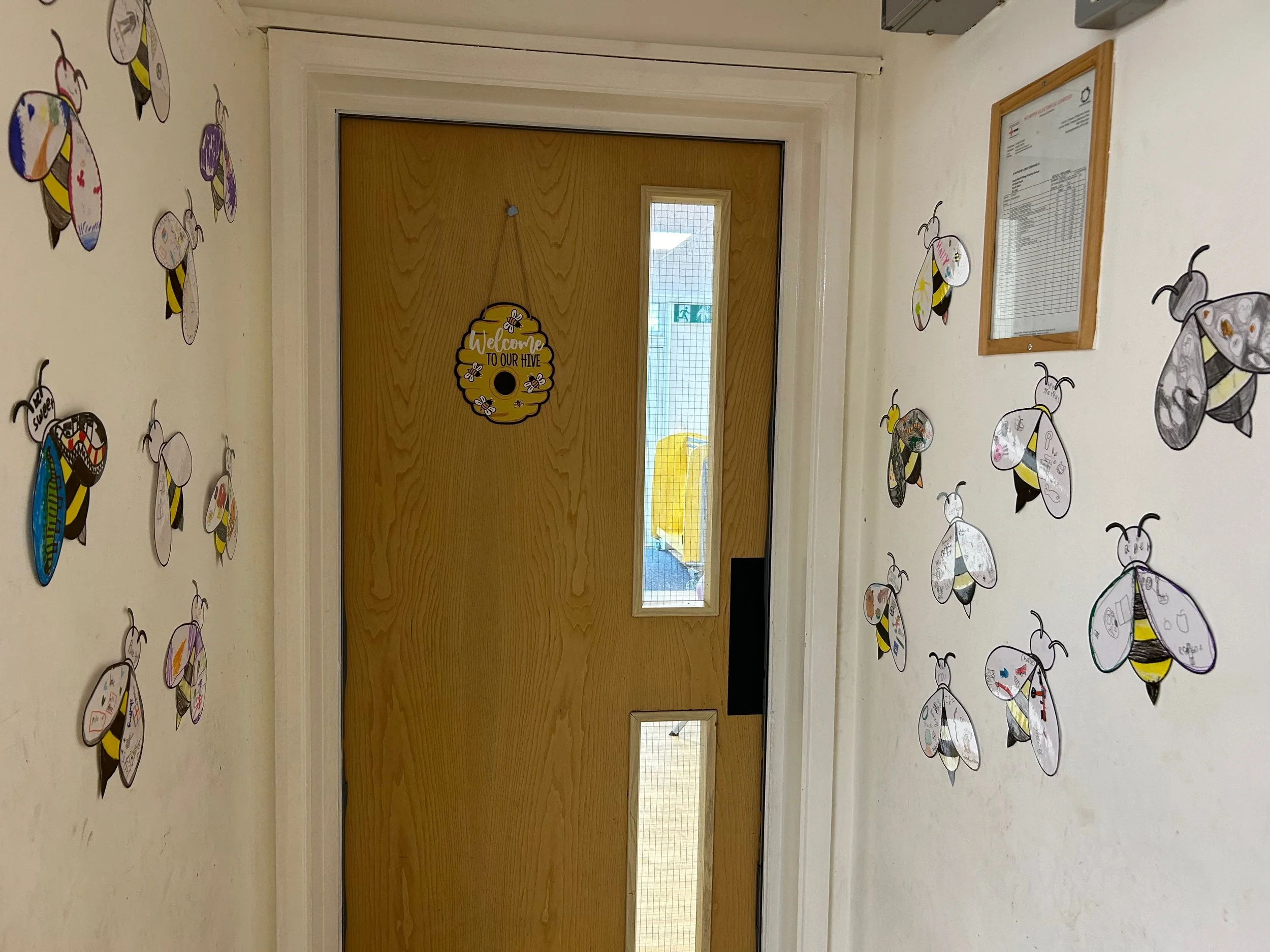
The Hive
YEAR 3 & 4
Teachers: Mrs. L Ellis & Mrs. C Constantinou -
![]()
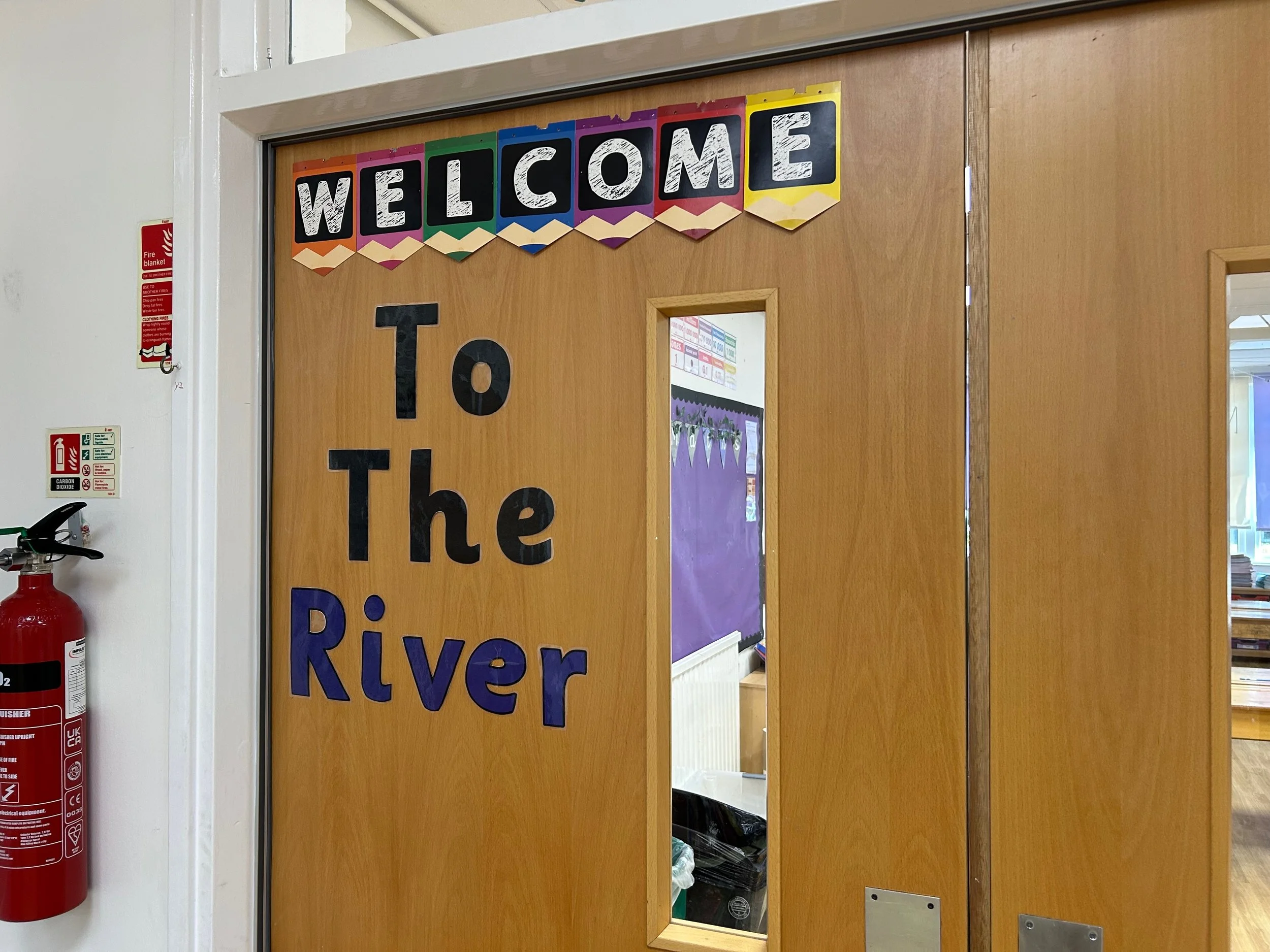
The River
YEAR 5 & 6
Teacher: Miss. J Lalli
-
![]()
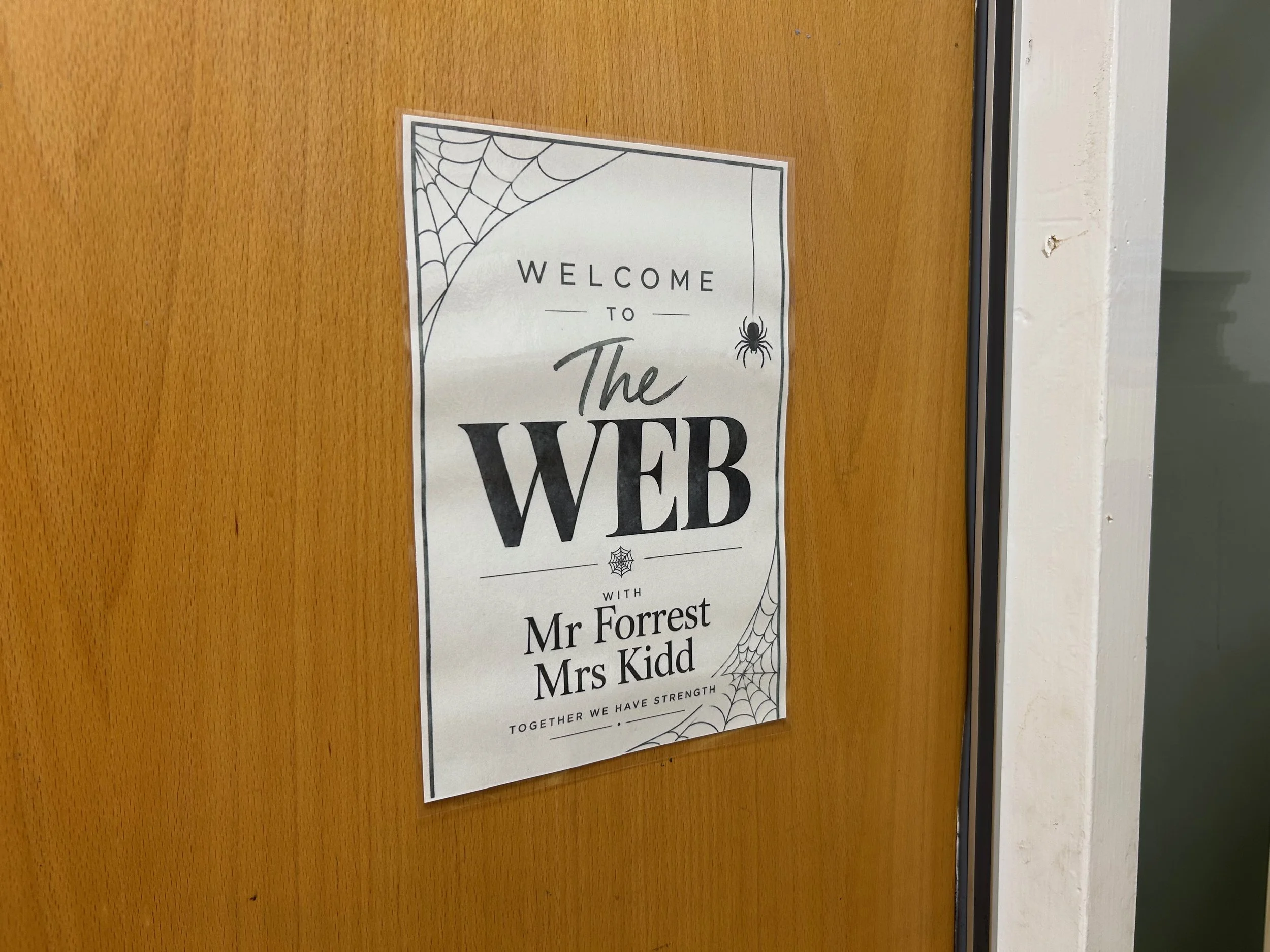
The Web
YEAR 5 & 6
Teachers: Mr. J Forrest & Mrs. C Constantinou
-
![]()
The Canopy
SEN UNIT
Teacher: Mrs. P Manhas
Why Mixed-Year Classes?
Mixed-age (or mixed year group) classes are quite common in primary schools, and offer a number of educational, social and practical benefits.
SAVS operates a 2-year curriculum cycle. Read more about our curriculum here.
A common concern among parents is that children might "miss out" on parts of the curriculum. However, the reality is that in any class, pupils are at a range of stages spanning ± 3 years. At SAVS, we look at a range of factors when determining pupil grouping to maximise our resources for the benefit of all pupils and their needs as presented within any particular cohort. For example, most 2026-27 SAVS Pupils are taught in year groups for Maths.
-
Children at SAVS regularly interact with peers who are older and younger than themselves, rather than only with children of the same age. This helps develop communication, cooperation, empathy and confidence.
-
Older pupils at SAVS often explain concepts, model good learning behaviours and support younger children. Teaching others can deepen the older child's understanding, while younger pupils benefit from seeing skills and knowledge slightly ahead of their own stage.
-
Older children at SAVS have opportunities to take responsibility, mentor younger classmates and act as role models. This can build independence, maturity and self-confidence.
-
Teachers in mixed-age classes often focus more on children's individual learning needs rather than assuming all pupils of the same age should be working at exactly the same level. At SAVS, this team focus and professional dialogue supports both higher-attaining pupils and those who need additional help.
-
At SAVS, mixed-age teaching requires teachers to plan for a range of abilities and learning stages. As a result, work can be more closely matched to each child's current attainment level rather than simply their chronological age. This is supported by our 2-year curriculum cycle, reviewed and updated annually by a dedicated Curriculum Team.
-
Research and school experience reported by mixed-age schools suggests children can develop a stronger sense of self-worth because there are more opportunities for success, leadership and collaboration, rather than constant comparison with same-age peers. Coupled with our unique Forest School provision, this is a strength of the SAVS offer.
-
Children build relationships across year groups at SAVS, creating a stronger sense of community and belonging within the school. This is central to our mission and ethos: Together we have strength. This can be particularly valuable when moving through the school or taking part in whole-school activities, and best prepares pupils for the next stage in their education in bigger Secondary School environments.
-
Our mixed-age classrooms allow children to progress according to their readiness rather than feeling pressured to keep up with an age-defined group. Some children benefit from extra time, while others can move ahead in certain areas. This is supported by our 2-year curriculum offer coupled with dynamic approach to timetabling.
-
Mixed-age classes allow for more efficient deployment of resources.
At SAVS it allows us to continue operating other high-impact areas of the school that benefit our pupils and community in all outcomes spanning academic, pastoral and cultural.
For example, SAVS’ Forest School (with pupils accessing a full hour per week), Swimming Pool, expansive grounds and SEN Unit.
This is rare for smaller schools that can be more succeptible to the impact of falling birthrates and other financial pressures facing all schools.
Mixed-age classes allow for more effective deployment of resources too. It allows professionals working at SAVS to collaborate, share expertise and provide a more responsive and dynamic educational experience.